

Analyst. 2021 Jul 7
Genotyping simplified: rationally designed antisense oligonucleotide-mediated PCR amplification-free colorimetric sensing of viral RNA in HCV genotypes 1 and 3.Authors: Mohammed AS, Balapure A, Khan AA, Khaja MN, Ganesan R, Dutta JR
Advanced Therapeutics, 2020; 900205:1-18
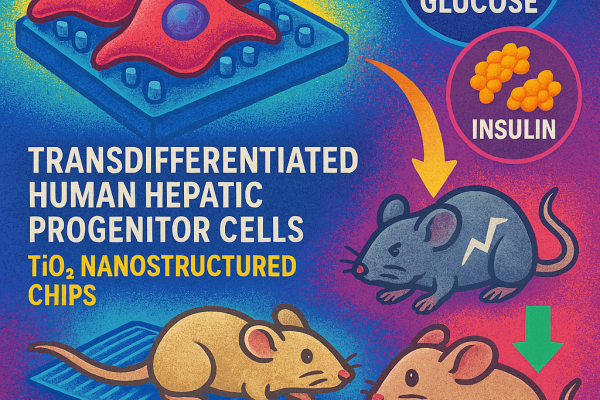
Glycemic Stimulation with Conducting Substrate Enhances Insulin Secretion of Transdifferentiated Human Hepatic Progenitor Cells Adherent on Nanostructured TiO2 Chips for Hyperglycemia Reversal in Diabetic Mice without Immunosuppression.Authors: Vishwakarma SK, Jaiswal J, Park KH, Lakkireddy C, Raju N, Bardia A, Habeeb MA, Paspala SAB, Khan AA, Dhayal M

Applied Nanoscience, 2018; 8(6):1493–1504
Bimetallic redox nanoprobe enhances the therapeutic efficacy of hyperthermia in drug-resistant cancer cells.Authors: Vishwakarma SK, Lakkireddy C, Marjan T, Fatima A, Bardia A, Paspala SAB, Habeeb MA, Khan AA
Applied Nanoscience, 2018; 8(1):115-124
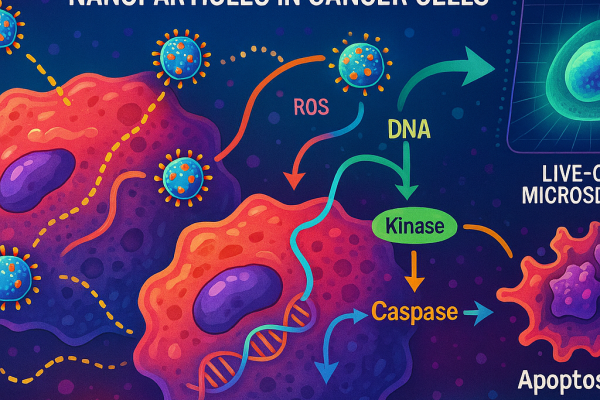
Real-time cellular and molecular dynamics of bi-metallic self-therapeutic nanoparticle in cancer cells.Authors: Vishwakarma SK, Bardia A, Lakkireddy C, Paspala SAB, Habeeb MA, Khan AA
Clinical Hemorheology and Microcirculation, 2018; 69(1-2):197-205
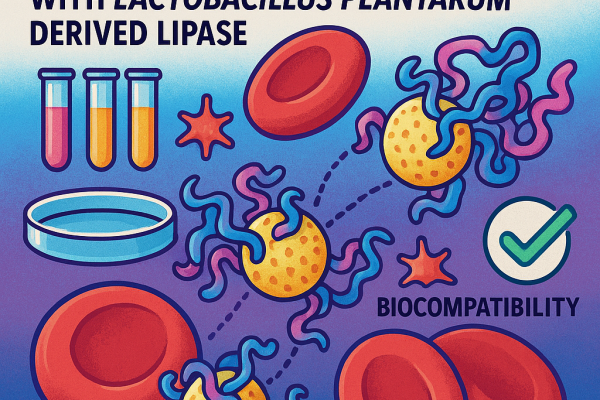
In vitro hemocompatability evaluation of gold nanoparticlesn capped with Lactobacillus plantarum derived lipase.Authors: Khan I, Vishwakarma SK, Khan AA, Ganesan R, Duttaa JR
Scientific Reports, 2017; 7:8539
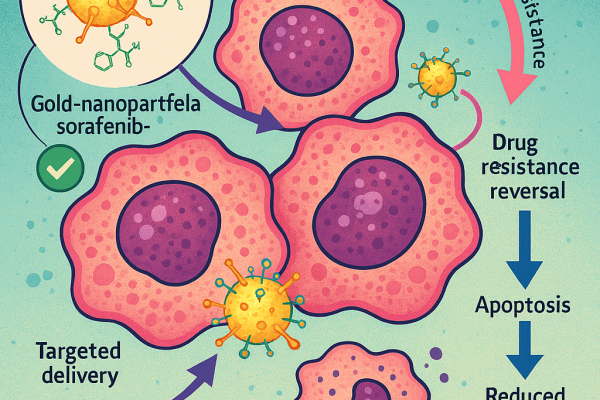
Use of biocompatible sorafenib-gold nanoconjugates for reversal of drug resistance in human hepatoblastoma cells.Authors: Vishwakarma SK, Sharmila P, Bardia A, Chandrakala L, Raju N, Sravani G, Sastry BVS, Habeeb MA, Khan AA, Dhayal M
RSC Adv., 2016, 6, 100487-100493
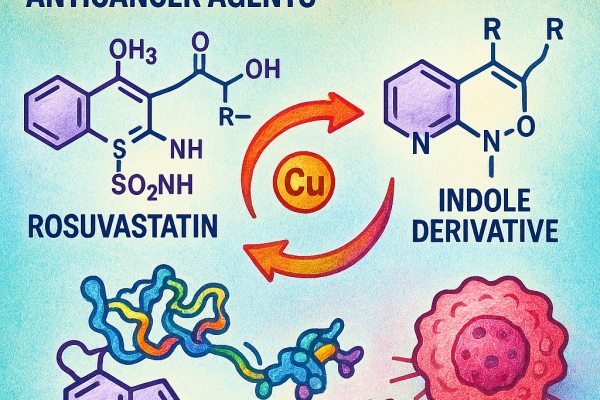
Cu-Catalyzed ligand-free synthesis of rosuvastatin based novel indole derivatives as potential anticancer agents.Authors: K. Shiva Kumar, Bandari Rajesham, Meesa Siddi Ramulu, Boyapally Bhaskar, Surjya Narayan Dash, Mohd Ashraf Ashfaq, Raju Nagarapu, Aleem Ahmed Khan, Sanna Lehtonen, Manojit Pal
RSC Adv., 2016; 54
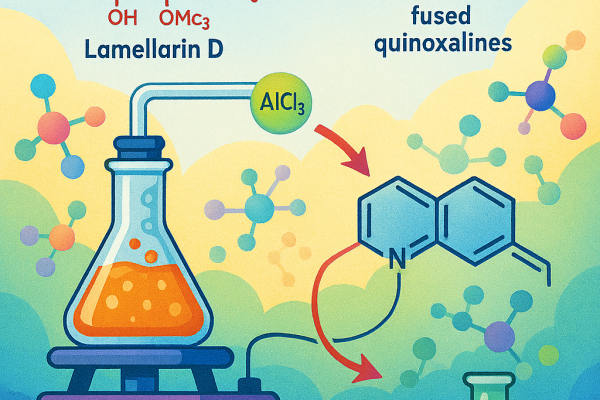
AlCl3-mediated heteroarylation-cyclization strategy: one-pot synthesis of fused quinoxalines containing the central core of Lamellarin D.Authors: K. Shiva Kumar, Siddi Ramulu Meesa, Bandari Rajesham, Boyapally Bhasker, Mohd Ashraf Ashfaq, Aleem Ahmed Khan, Sagurthi Someswar Rao, Manojit Pal
Biomedical Physics & Engineering Express, 2016; 2:025010
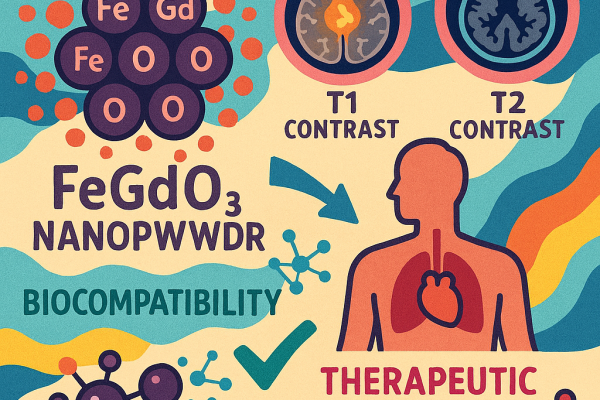
Super paramagnetic iron oxide and gadolinium (FeGdO3) nanopowder synthesized by hydrolytic approach passes high level of biocompatibility and MRI-based dual contrast property for competent molecular imaging and therapeutic interventions.Authors: Athar T, Vishwakarma SK, Bardia A, Khan AA

Applied Nanoscience, 2016; 6(5):767–777
Green approach for the synthesis and characterization of ZrSnO4 nanopowder.Authors: Athar T, Vishwakarma SK, Bardia A, Alabass R, Alqarlosy A, Khan AA

Applied Nanoscience, 2016; 6(6):913–922
Synthesis of nanostructured framework of novel ZnBaO2 nanopowder via wet chemical approach and hepatocytotoxicity response.Authors: Athar T, Vishwakarma SK, Alabass R, Alqarlosy A, Khan AA
Neurology India, 2015; 63(3):460-61
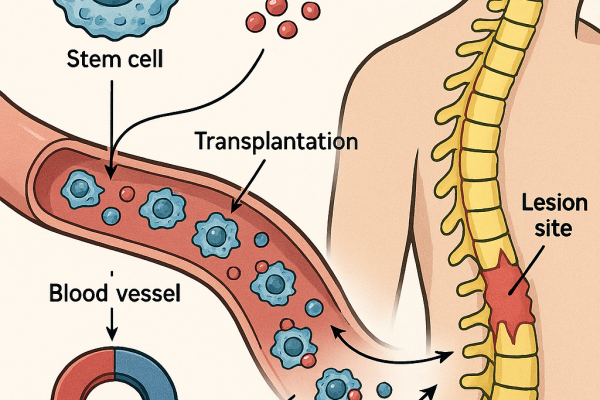
Magnetic nanoparticle tagged stem cell transplantation in spinal cord injury: A promising approach for targeted homing of cells at the lesion site.Authors: Vishwakarma SK, Bardia A, Paspala SAB, Khan AA
Sensors and Materials, 2015; 27(7): 563–573
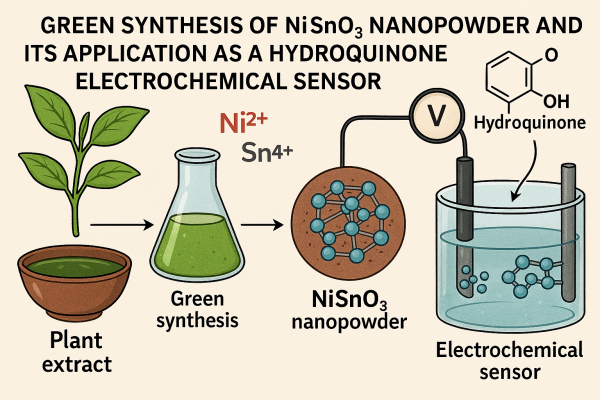
Green Synthesis of NiSnO3 Nanopowder and Its Application as a Hydroquinone Electrochemical Sensor.Authors: Taimur Athar, Magdy Abdelaal, Zeenat Khatoon, Amit Kumar, Alabass Razzaq, Aleem Ahmed Khan, Hassan Fouad, Shafeeque Ahmed Ansari and Zubaida Amin Ansari
Journal of Bionanoscience, 2015; 9:1-10
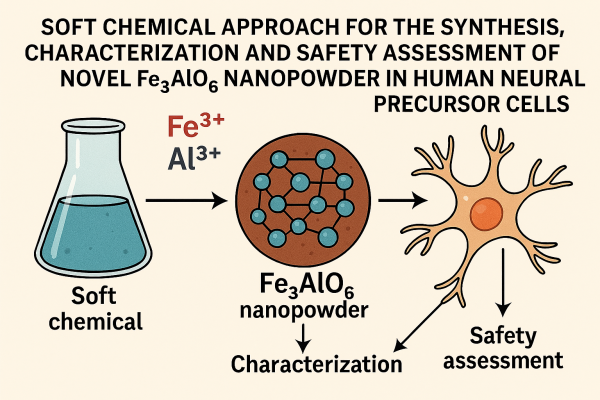
Soft chemical approach for the synthesis, characterization and safety assessment of novel Fe3AlO6 nanopowder in human neural precursor cells.Authors: Taimur Athar, Sandeep K Vishwakarma, Avinash Bardia, Syed AB Paspala, Md. Aejaz Habeeb, Aleem A Khan
Applied Nanoscience, 2015
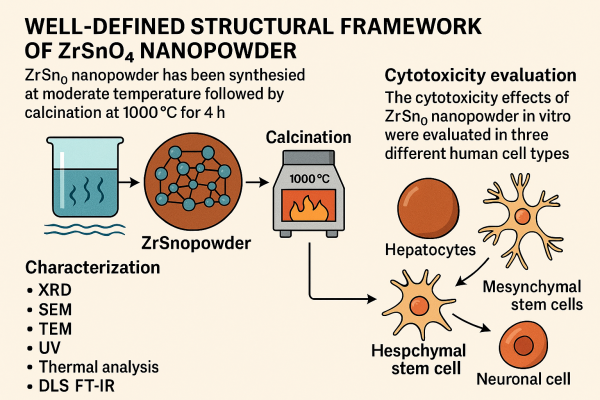
Green approach for the synthesis and characterization of ZrSnO4 nanopowder.Authors: Athar Taimur, Vishwakarma Sandeep, Bardia Avinash, Alabass Razzaq, Alqarlosy Ahmed, Khan Aleem
Applied Nanoscience, 2015
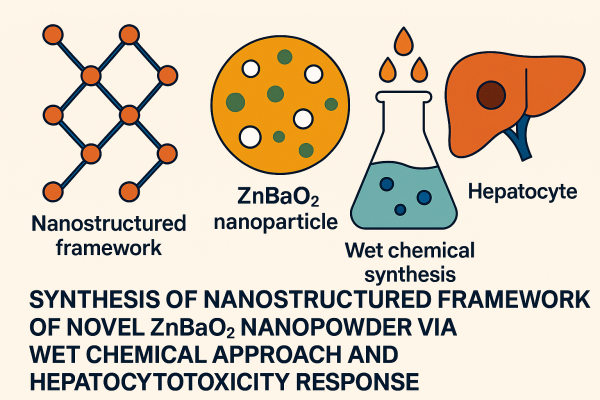
Synthesis of nanostructured framework of novel ZnBaO2 nanopowder via wet chemical approach and hepatocytotoxicity response.Authors: Athar Taimur, Vishwakarma Sandeep, Alabass Razzaq, Alqarlosy Ahmed, Khan Aleem
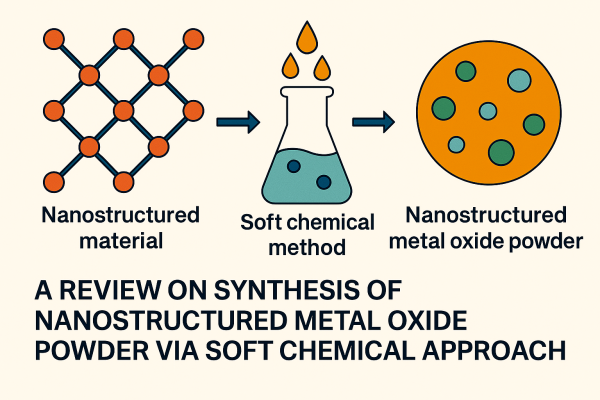
Rev. Adv. Sci. Eng. 4, 258-270 (2015)
A Review on Synthesis of Nanostructured Metal Oxide Powder via Soft Chemical Approach.Authors: Athar Taimur, Ahmed, Khan Aleem, Vishwakarma Sandeep, Alabass Razzaq, Alqarlosy Ahmed
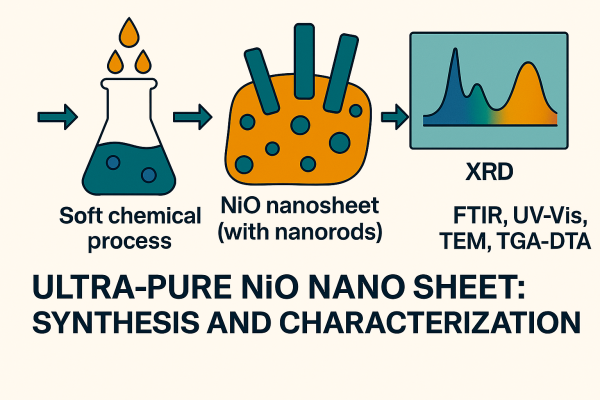
Materials Focus, 2014; 3(5):378-381
Low-Temperature Growth and Properties of NiO Nano Sheets Decorated with Small NiO Nano Rods via Soft Chemical Process.Authors: Athar T, Mahamad SSS; Khan AA
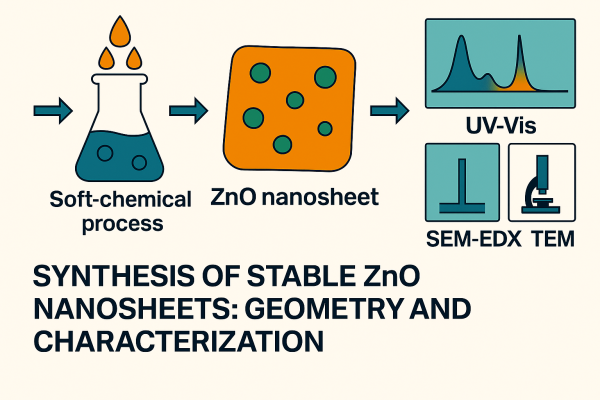
Materials Focus, 2014; 3(5):341-344
Facile Synthesis of ZnO Nanosheets with Controlled Functional Properties via Soft-Chemical Process.Authors: Athar T, Mahamad SSS; Khan AA
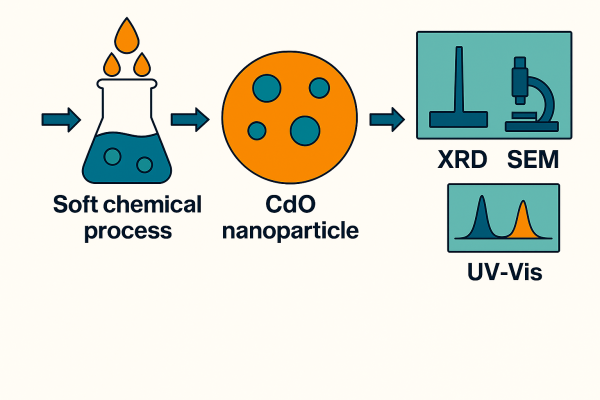
Materials Focus, 2014; 3(5):397-400
Soft Chemical Process for Synthesis of CdO Nanoparticles.Authors: Athar T, Mahamad SSS; Khan AA