
Helicobacter pylori-related Disorders
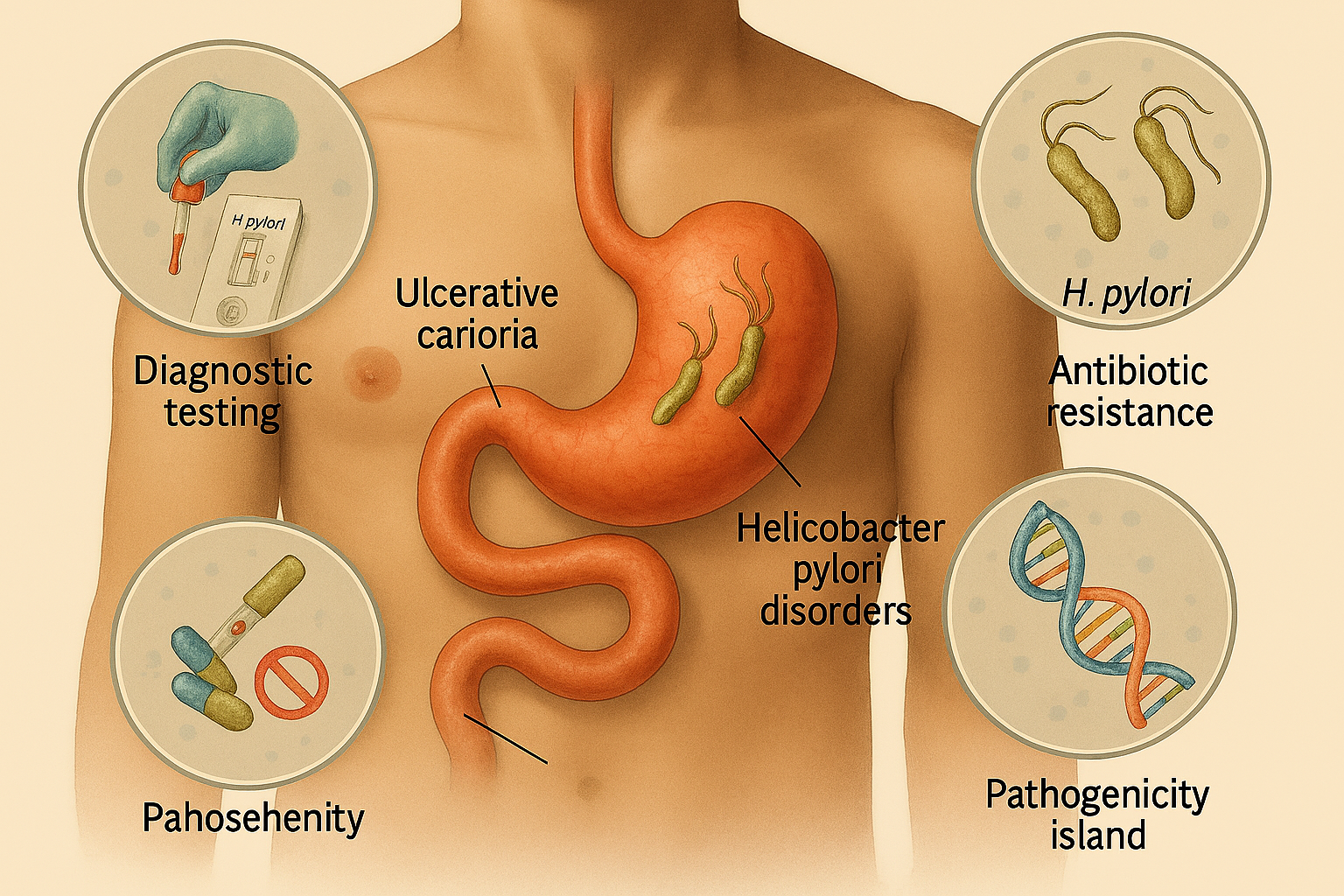
Helicobacter pylori (H. pylori) is a spiral-shaped, gram-negative bacterium that colonizes the gastric mucosa and is a major etiological factor in several gastrointestinal disorders, including peptic ulcer disease, chronic gastritis, gastric carcinoma, and mucosa-associated lymphoid tissue (MALT) lymphoma.
Globally, H. pylori infection affects more than half of the population, with higher prevalence in developing countries. In India, epidemiological studies, including those conducted by CLRD, highlight its strong association with acid-peptic disorders and gastric malignancies.
Pathophysiology
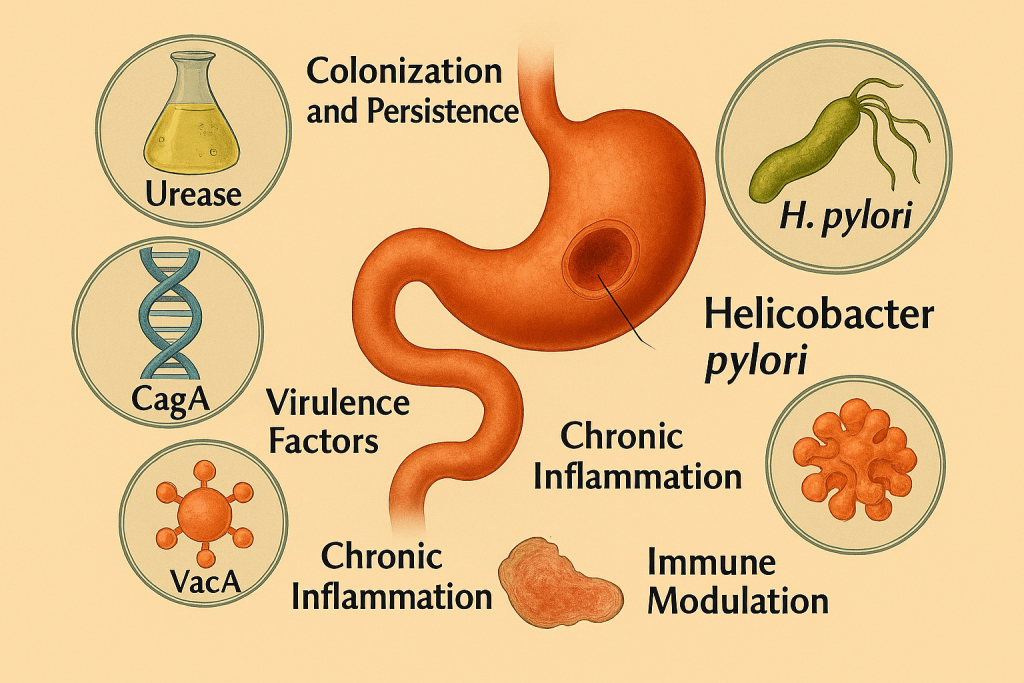
H. pylori exerts its pathogenic effects through multiple mechanisms:
- Colonization and Persistence: The bacterium survives in the acidic gastric environment by producing urease, which neutralizes gastric acid.
- Virulence Factors:
- CagA (Cytotoxin-associated gene A): Alters intracellular signaling, promoting inflammation and carcinogenesis.
- VacA (Vacuolating cytotoxin A): Induces epithelial cell damage and apoptosis.
- Chronic Inflammation: Persistent infection leads to gastritis, mucosal atrophy, and increased risk of ulceration and cancer.
- Immune Modulation: Dysregulated immune response contributes to tissue injury and disease progression.
CLRD’s Research Contributions
For over two decades, CLRD has been at the forefront of H. pylori research, making significant contributions in diagnostics, molecular epidemiology, and treatment strategies.
Rapid, Non-Invasive Diagnostic Protocols
- Developed salivary PCR assays for detecting H. pylori DNA, offering a patient-friendly alternative to invasive biopsy-based tests.
- Introduced multiplex PCR techniques for simultaneous detection of virulence genes (cagA, vacA).
Antibiotic Resistance Studies
- CLRD conducted extensive surveillance of antibiotic susceptibility patterns in Indian H. pylori isolates.
- Findings informed regional treatment guidelines, optimizing eradication therapy and reducing resistance rates.
Genomic and Bio-Geographic Analysis
- Performed whole-genome sequencing and genotyping of H. pylori strains from South India.
- Discovered unique bio-geographic signatures, highlighting genetic diversity and its clinical implications.
Pathogenicity Island Characterization
- Investigated structural variations in the cag pathogenicity island, correlating them with disease severity and cancer risk.
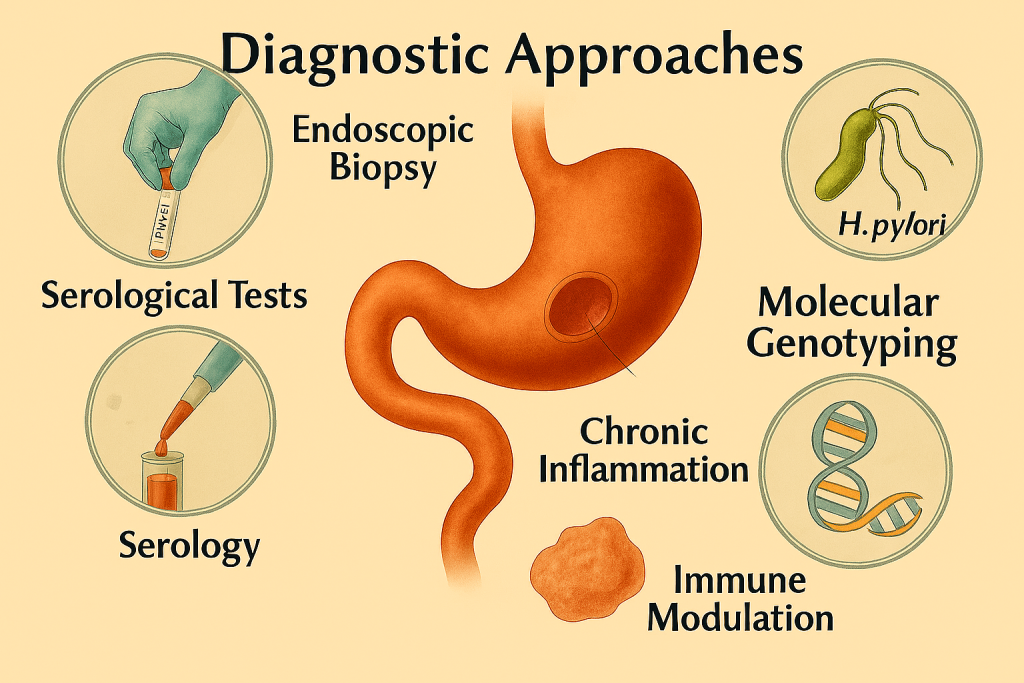
Diagnostic Approaches
CLRD integrates conventional and advanced methods for accurate detection:
- Non-Invasive Tests: Urea breath test, stool antigen test, and salivary PCR.
- Endoscopic Biopsy: For histology, rapid urease test, and culture.
- Molecular Genotyping: Identification of virulence genes and resistance markers.
- Serology: Detection of anti-H. pylori antibodies for screening.
Therapeutic Insights
- CLRD’s research supports tailored eradication regimens based on local resistance profiles.
- Exploration of plant-derived antimicrobials (e.g., eugenol, cinnamaldehyde) as adjunct therapies.
- Advocacy for early detection and eradication to prevent complications like ulcers and gastric cancer.
Impact and Future Directions
- CLRD’s work has shaped national protocols for H. pylori management and contributed to global understanding of strain diversity.
- Future research focuses on:
- Next-generation sequencing for real-time resistance monitoring.
- Microbiome-based interventions to restore gastric health post-eradication.
- Development of vaccines and novel therapeutics.