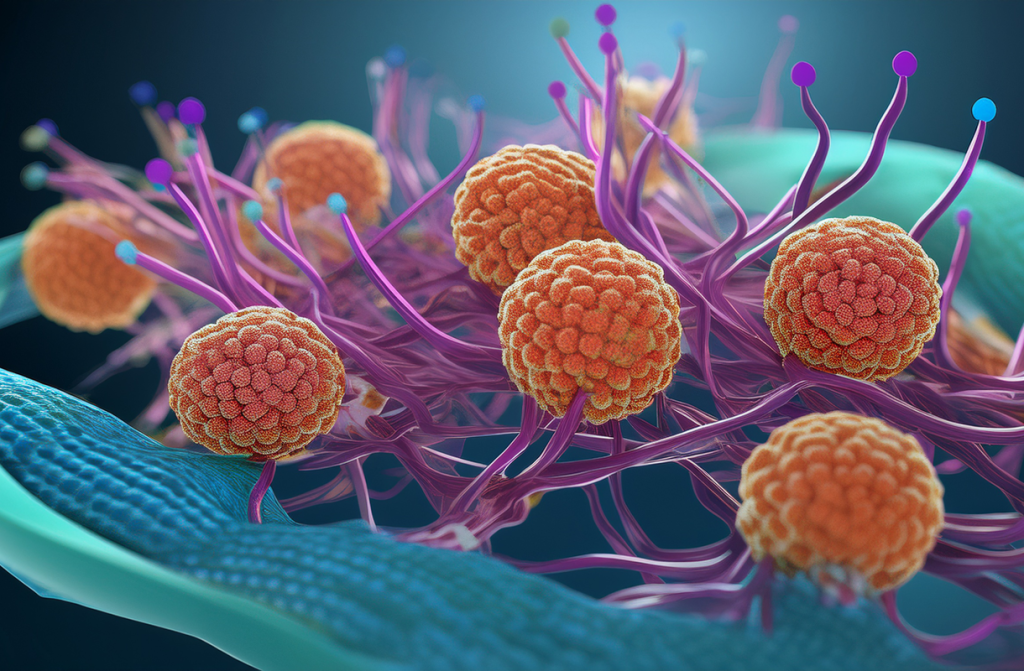
At the Centre for Liver Research and Diagnostics, our pioneering work in nanotechnology reflects a decade-long commitment to advancing biomedical science through innovation and interdisciplinary collaboration. Since 2014, our research has consistently pushed the boundaries of nanoscale science, with a strong focus on applications in diagnostics, therapeutics, and regenerative medicine.
Our investigations have centered on the design, synthesis, and evaluation of nanomaterials tailored for biological systems. We have developed novel nanoparticles using eco-friendly soft chemical approaches, emphasizing green synthesis techniques that are both scalable and biocompatible. These materials including NiO, ZnO, CdO, ZrSnO₄, and Fe₃AlO₆, have been rigorously tested for cytotoxicity, biocompatibility, and functional performance in human neural precursor cells and hepatocytes.
A hallmark of our research is the dual functionality of nanoparticles as theranostic agents. We have engineered superparamagnetic iron oxide and gadolinium-based nanoparticles for MRI imaging and targeted drug delivery, offering promising solutions for non-invasive cancer diagnostics and therapy.
Our work also extends to biosensing technologies, where we have created electrochemical sensors for detecting clinically relevant compounds like hydroquinone, leveraging the high surface reactivity of nanomaterials for enhanced sensitivity.
Key Contributions Include:
- Green synthesis and safety evaluation of CdO, NiSnO₃, Fe₃AlO₆, ZrSnO₄, and ZnBaO₂ nanoparticles.
- Development of sorafenib-gold nanoconjugates to reverse drug resistance in hepatoblastoma cells.
- Bimetallic redox nanoprobes for enhancing hyperthermia-based cancer therapy.
- Magnetic nanoparticle-assisted stem cell transplantation for spinal cord injury.
- Nanostructured TiO₂ chips for boosting insulin secretion in hepatic progenitor cells.
- PCR-free colorimetric sensing of HCV genotypes using antisense oligonucleotide technology.
These studies underscore our commitment to precision medicine, non-invasive diagnostics, and targeted therapeutic delivery. By harnessing the unique properties of nanomaterials, we continue to open new frontiers in liver research and beyond, transforming healthcare through science.