A Transformative Frontier in Liver and Organ Research
At the Centre for Liver Research and Diagnostics, our pioneering work in Bioengineering has evolved into a transformative research theme, reflecting our commitment to advancing regenerative medicine and personalized therapeutic solutions. Over the years, we have contributed significantly to this rapidly growing domain, with 14 original research publications between 2014 and 2022, marking a clear trajectory of innovation and impact.
Our research focuses on the development of bioengineered tissues, organs, and therapeutic platforms designed to address critical medical challenges, particularly in liver disease and organ failure. The increasing volume and complexity of our publications—peaking notably in 2018—demonstrate our leadership in this interdisciplinary field that bridges biology, engineering, and clinical science.
Key Innovations and Research Highlights
Our studies emphasize the creation and application of bioengineered constructs such as:
Humanized livers
Neurological scaffolds
Insulin-producing neo-organs
These constructs are developed using advanced techniques including decellularized scaffolds, cell-laden grafts, and tissue regeneration strategies. Frequently explored themes in our work include transplantation, three-dimensional tissue modeling, and organ regeneration, underscoring our focus on translational and clinical relevance.
Representative Contributions
Some of our landmark studies include:
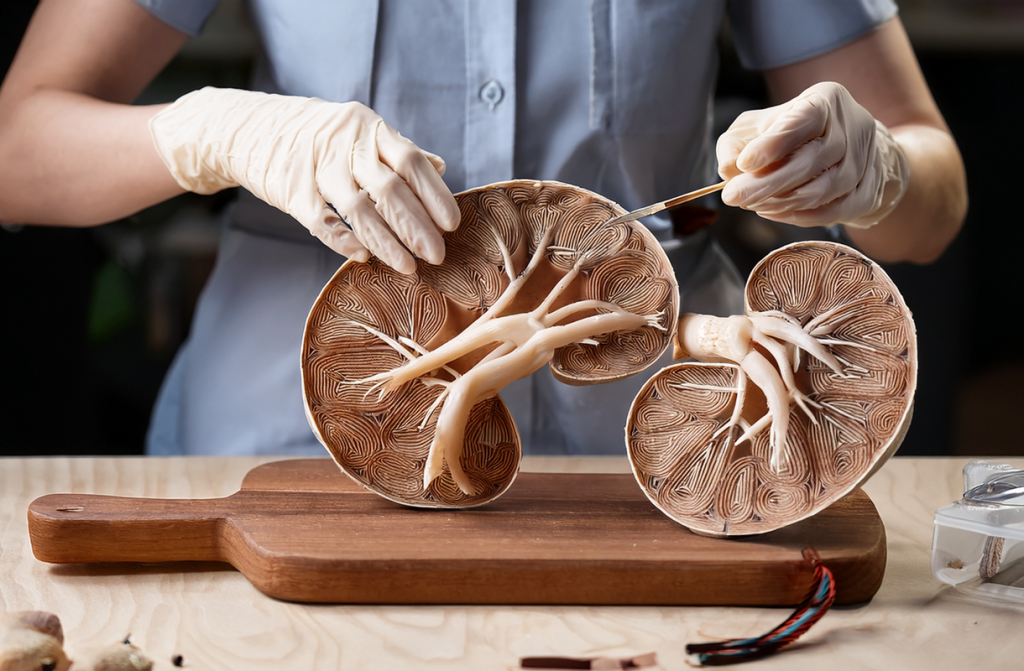
2014: Preparation of natural 3D goat kidney scaffold – foundational work in scaffold-based organ engineering.
2014: Repopulation of decellularized whole organ scaffold using stem cells – demonstrating stem cell integration for functional organ creation.
2018: Bioengineered humanized livers for drug testing – establishing 3D liver models for pharmacological research.
2018: Functional humanized livers as supportive modality for transplantation – addressing organ donor shortages.
2019: Intraperitoneal transplantation of bioengineered liver grafts – showcasing therapeutic potential in acute liver failure.
2019: Biofabricated insulin-producing neo-organs – advancing regenerative solutions for endocrine disorders.
Impact and Future Directions
Our research has laid the groundwork for customized biological replacements that mimic native tissue architecture and function. By integrating stem cell biology, biomaterials, and tissue engineering, we are paving the way for:
- Personalized therapies
- Disease modeling
- Next-generation drug testing platforms
We remain committed to pushing the boundaries of bioengineering to revolutionize modern medicine and improve patient outcomes.